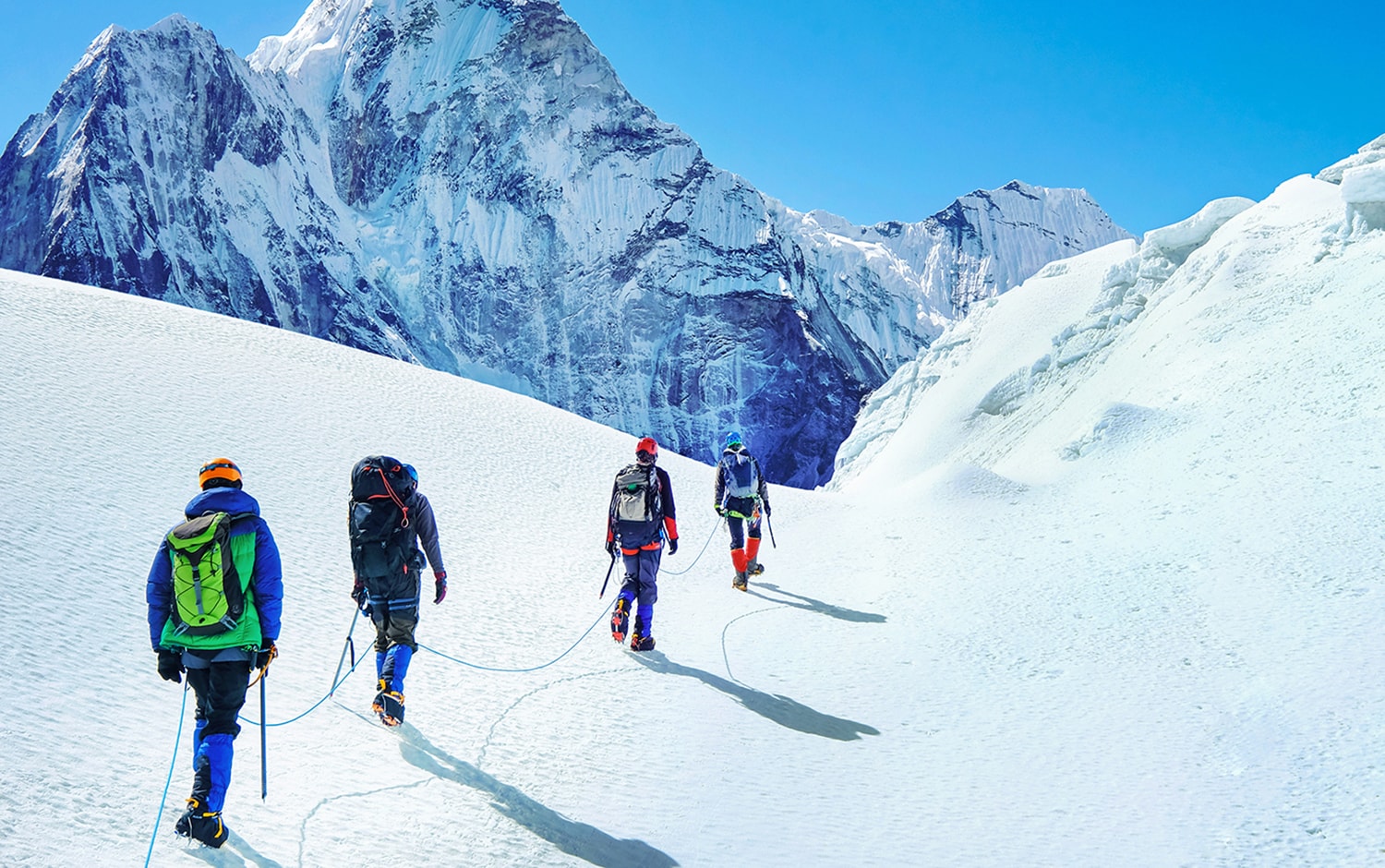
High on Mount Everest, where oxygen thins and survival becomes a calculation measured in minutes, the mountain carries visible reminders of those who never returned. Over the years, some of these bodies, frozen in place by cold and altitude, have become informal route markers. It is a deeply uncomfortable reality, but one that reveals much about the limits of human ambition, ethics, and responsibility in extreme environments.
Above 8,000 meters, the human body begins to fail. Judgment weakens, strength disappears, and even simple movements require enormous effort. When a climber dies here, recovery is rarely straightforward.
Bringing a body down from high altitude can take multiple Sherpa guides, require additional oxygen, and expose everyone involved to serious danger. Several Sherpas have lost their lives during recovery missions in the past. The cost can exceed tens of thousands of dollars, but more importantly, it can cost lives. For this reason, many bodies have historically been left where climbers fell.
This was never a policy, but a grim consequence of physics, physiology, and risk.
Everest’s main routes are narrow, fixed with ropes, and climbed repeatedly season after season. In such a stark, featureless landscape, anything that does not move becomes a reference point. Over time, certain bodies became informal markers used in conversation among climbers.
Phrases like “just above Green Boots” or “near the Yellow Band body” entered climbing language. This was not meant to dehumanize the dead, but it undeniably reduced human lives to navigational cues.
Everest preserves the dead. Temperatures often drop below -30°C, oxygen is scarce, and bacteria struggle to survive. Bodies freeze-dry, becoming naturally mummified rather than decomposing. Climate change has begun reversing this concealment, as retreating ice exposes remains long hidden.
The presence of bodies raises difficult questions.
On one side is safety and realism: risking additional lives to recover remains may feel unjustifiable. Many families accept or even request that their loved ones remain where they died, seeing Everest as their final resting place.
On the other side is dignity and humanity: passing human bodies as landmarks can feel deeply wrong. Sherpa communities, for whom the mountain is sacred, often view visible remains as spiritually troubling. Climbers also describe the psychological weight of stepping over the dead on the way to a personal goal.
There is no clear moral answer, only trade-offs in an environment that allows no easy solutions.
For most climbers today, bodies are not guides – they are warnings.
They remind climbers that Everest does not reward ambition blindly, that the summit is optional, and that survival is success. Many report that seeing a body reinforces their decision to turn back when conditions deteriorate.
Bodies became route markers on Everest not through intent, but through necessity and neglect in an unforgiving environment. They are the frozen intersections of human dreams and natural limits.