Last week, I traveled to Thailand for my first international family vacation, a trip that quietly reshaped how I think about the value of human life.
Because we were flying on a budget airline, we chose not to carry a baby stroller due to baggage limitations. We assumed we could easily buy one in Pattaya or Bangkok, both known as shopping hubs.
But when we saw the prices, we hesitated and decided to rely on the baby carrier we had brought along. At the time, it felt like a compromise. In hindsight, it became part of a much larger realization.
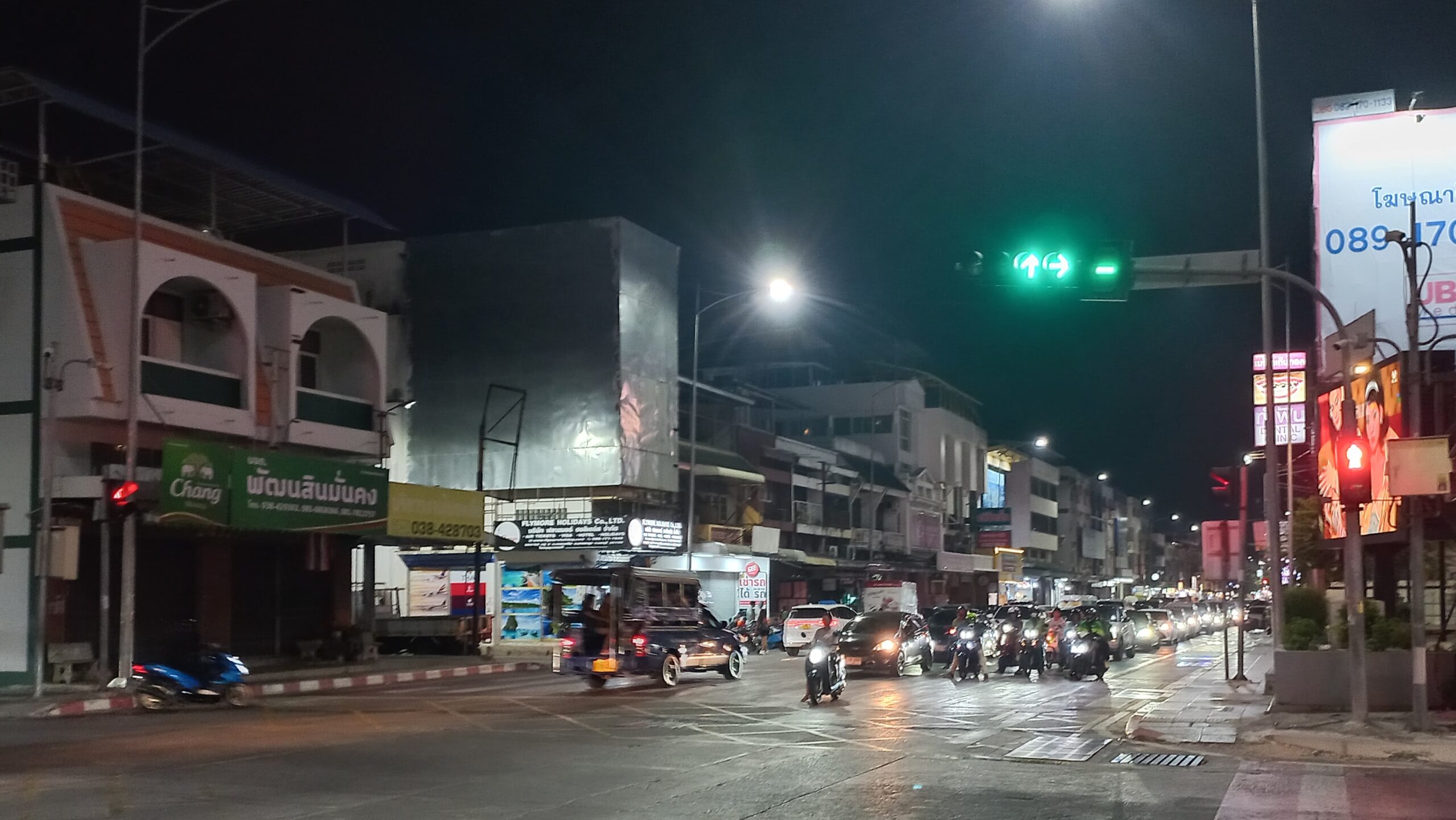
Our first real moment of surprise came at a zebra crossing in Pattaya. As we stepped onto it, vehicles approaching from both sides slowed down and stopped.
Not reluctantly, not impatiently, but naturally, as if it were unquestionable that pedestrians, especially those carrying a child, had the right of way.
Under the harsh sun and humid air, when walking itself felt exhausting, this simple act carried profound meaning: human life was being prioritized over speed, convenience or impatience.
At first, I thought it might be an isolated incident. But it wasn’t.
Every time we approached a crossing, in every part of the city, the same thing happened.
Drivers stopped. No honking. No aggressive maneuvering. Just quiet, orderly respect.
The roads were calm, almost peaceful, broken only occasionally by the rumble of tuk-tuks. It wasn’t just traffic discipline, it was a reflection of a deeper societal value.
In Bangkok, the experience was no different. The city, vibrant and fast-paced, still paused for its people.
Pedestrians were given space, time, and dignity. Even the infrastructure spoke the same language. Air-conditioned overhead bridges designed not just for movement, but for comfort and safety.
It became clear that prosperity here wasn’t limited to buildings and roads; it extended into culture, behavior, and priorities. When a society values human life, it shows up in everyday decisions: on the road, in public spaces and in how strangers treat one another.
And that realization stayed with me when I returned home to Nepal. Here, we often see the opposite.
Traffic rules are treated as suggestions. Zebra crossings are ignored. Honking fills the air. Everyone seems to be in a hurry, yet rarely mindful of others sharing the same road.
It’s not just about poor discipline, it reflects how little space we sometimes give to the idea that every life on that road matters.
Nepal is undeniably beautiful. Its landscapes are unmatched, and its people are known for their warmth and hospitality.
But perhaps the next step in our growth as a society lies in embedding a deeper respect for human life into our everyday behavior. Because when we truly begin to value each other, on the roads and beyond, we don’t just become safer; we become better, more thoughtful, and ultimately more progressive as a nation.
Sometimes, it takes stepping into another country to realize what we are missing : not in infrastructure, but in mindset.