Watching The Twilight Zone that classic American show from 1959 hits different when you are a Nepali. The America it shows feels orderly, futuristic, even by today’s standards: buzzing offices, families around TVs, phones ringing, cars on wide roads. It looks impressively… modern.
Then comes the uncomfortable comparison. In that same decade, Kathmandu was a very different place.
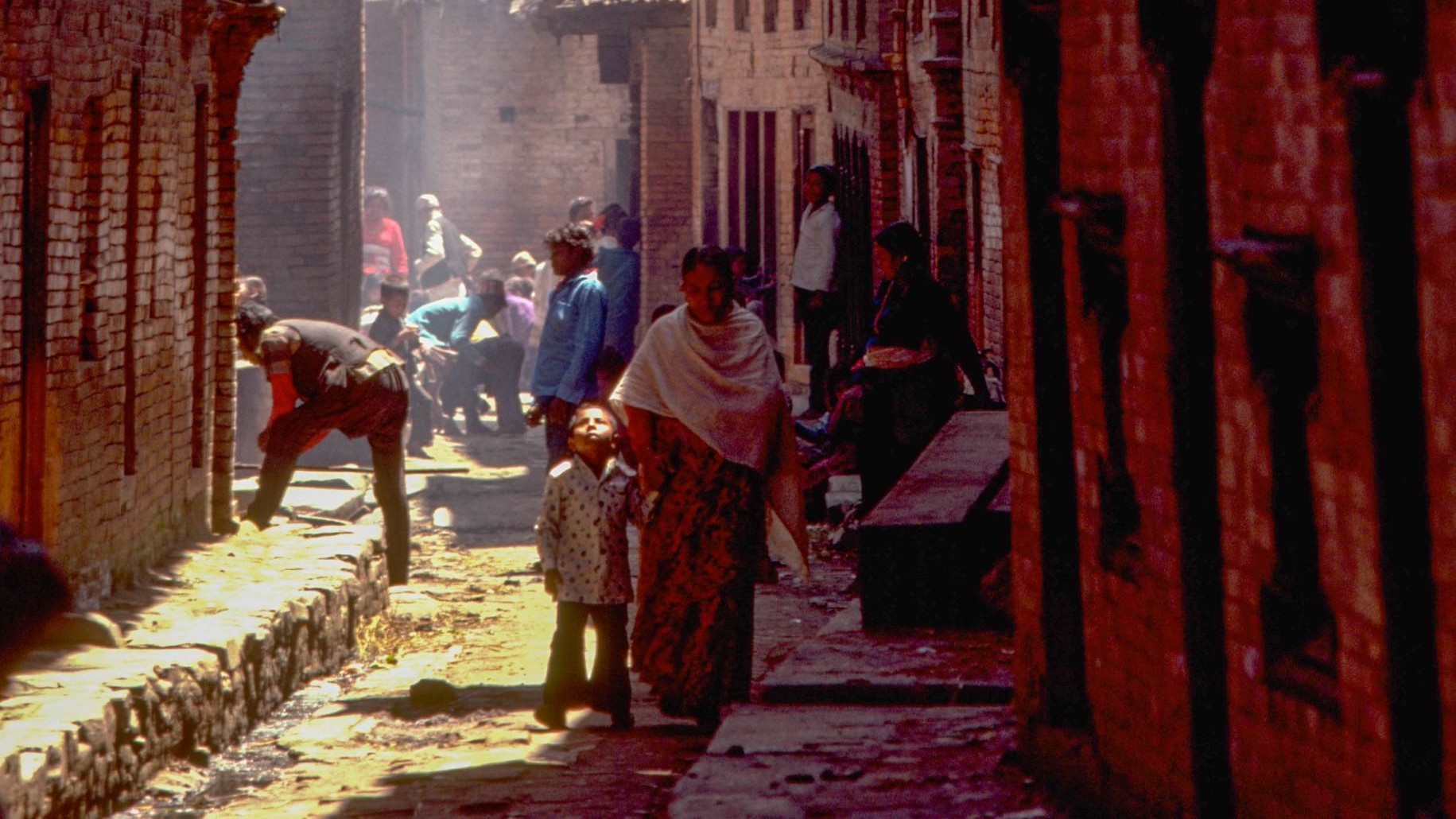
In the 1960s, Kathmandu wasn’t really a city the way we think of it now. It was more like a valley of connected towns, Patan, Bhaktapur, Kathmandu, separated by open fields. The Bagmati was still a river. A quieter place, traditional settlements, open fields between neighbourhoods, limited electricity, and a society still deeply rooted in centuries-old rhythms of culture and community.
Modern infrastructure was minimal, foreign influence limited, and social life revolved around families, guthis, temples, and festivals. Change was slow not because people resisted it, but because society was not yet organized around acceleration. Most families didn’t have much, but they weren’t alone. Kids belonged to the neighbourhood. Elders belonged to everyone.
Materially, life was simple. Socially, it was rich.
Meanwhile, the America in The Twilight Zone was already deep into consumer culture: polished, advanced, but already questioning itself. Episode after episode exposed what lay beneath: loneliness, lost meaning, fear of machines, the pressure to fit in. Even then, they were asking: did progress come at too high a cost?
And that’s what stays with me. Because Kathmandu stepped into that same future decades later without asking those questions first.
For Nepal, modernity didn’t slowly unfold. It arrived fast. Roads replaced fields. Concrete covered courtyards. Migration replaced community. What took the West over a century happened here in one generation.
We gained education, healthcare, opportunity. But we lost something harder to name: shared life. Neighbours became strangers. Time became scarce. Festivals turned into squeezed-in events.
Today, Kathmandu looks more modern than ever. Yet it feels more fragmented, impatient, anxious. We complain about traffic, pollution, loneliness, stress; problems we barely knew when we had far less.
Let’s be clear: modernity isn’t the enemy. And romanticizing the past doesn’t help. The 1960s here weren’t easy or fair for everyone.
The mistake was thinking modern automatically meant better.
What we needed was a pick-and-choose kind of progress: keep the community, add the comfort. Preserve the bonds, upgrade the infrastructure. Instead, we imported a whole lifestyle and its loneliness came along with it.
So… did modern really mean better?
It’s complicated.
Life became longer, easier in many ways. But also thinner, less connected, less patient. We solved old problems and inherited new ones, many of which The Twilight Zone was warning about long before Kathmandu had its first traffic light.
The lesson isn’t to reject modern life, but to reclaim what we tossed aside too quickly: neighbourhood trust, shared responsibility, slow time, living on a human scale.
Because progress without memory builds cities that function perfectly… but feel empty.
Maybe the most modern thing Kathmandu could do now is to ask honestly, without the nostalgia goggles:
What did we lose while rushing forward? And what can we still bring back?