Over the past decade, Nepal has seen an incredible transformation in hydropower sector. We went from dealing with constant power cuts to actually having surplus electricity and even exporting it to neighboring countries.
Most of the projects built during this time were in areas that were relatively easy to access, close to cities, with manageable terrain and decent logistics.
These projects didn’t just fix our electricity problems, they proved that hydropower could actually drive our economy forward.
But that era is coming to an end.
Now the government wants to add another 10,000 MW over the next decade, and we’re already selling power abroad. This means developers have no choice but to move into remote, unexplored parts of the country.
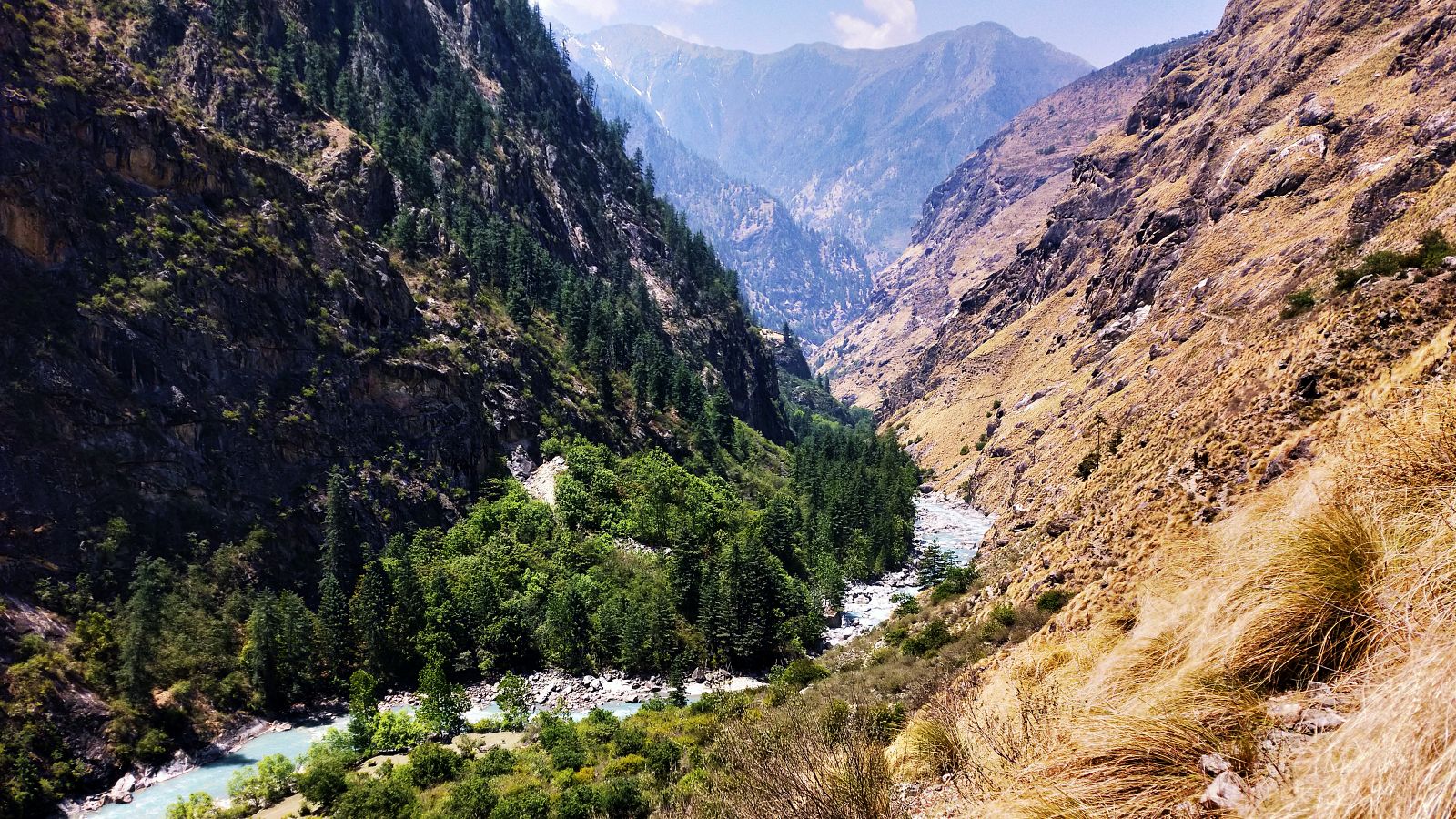
We’re talking about places where you can’t trust the maps, where it takes weeks of walking just to get there, where bad weather can halt everything for months, and where a small mistake during the planning phase can lead to huge problems and costs down the line.
In these kinds of places, the old way of doing things just doesn’t cut it anymore. Hauling heavy equipment and teams on foot like we used to isn’t practical.
To be fair, developers have caught on and started investing in modern tech like LiDAR for mapping terrain, automated systems for monitoring rivers, advanced tools for analyzing boreholes, remote sensing, camera traps, digital data collection, and so on.
But here’s the problem: we upgraded our equipment, but we didn’t upgrade how we think.
Sure, we’re using LiDAR now, but the data processing is often so sloppy that engineers aren’t even sure they can trust the results.
We’ve got fancy geophysical equipment, but the people using it haven’t been trained properly, they don’t know how to calibrate it, interpret what it’s telling them, or even question whether the results make sense.
We install automated monitoring systems for rivers, but we’re still analyzing the data like we’re doing everything by hand.
A lot of the time, it feels like we’re just ticking boxes, using technology because it looks good in reports, not because it actually helps us make better decisions.
And this isn’t about money. The sector has clearly shown it’s willing to spend on equipment.
The real problem is that we’ve ignored the need to train people. We seem to think that just buying advanced tools automatically makes us modern.
It doesn’t.
Without skilled professionals who understand both the technology and the engineering behind it, these tools are just expensive gadgets we don’t really know how to use.
We’re already seeing the fallout.
Developers are starting to lose faith in the technology itself not because it doesn’t work, but because we’re using it badly. That’s a dangerous place to be.
If we lose confidence in modern tools, we might end up going back to outdated methods that aren’t suited for the challenging terrain we’re now working in.
We’ve been complaining for years that our education and training systems don’t produce engineers and technicians who are ready for the real world.
What’s happening in hydropower investigations right now proves that complaint isn’t just valid, it’s urgent.
Our schools are churning out people with degrees, not people who can solve problems. Meanwhile, the industry keeps expecting world-class results from a workforce that hasn’t been prepared to use world-class tools.
If we’re serious about developing hydropower in Nepal’s remote mountains, we need to be honest about what comes next.
Fancy machines won’t save us. Having data won’t save us. What will save us is having skilled people. People who are trained, curious, and willing to let go of old habits.
Until we invest in that, our biggest challenge won’t be the difficult terrain, the harsh climate, or how remote these sites are. It’ll be our refusal to accept that real modernization starts with how we think, not just what we buy.