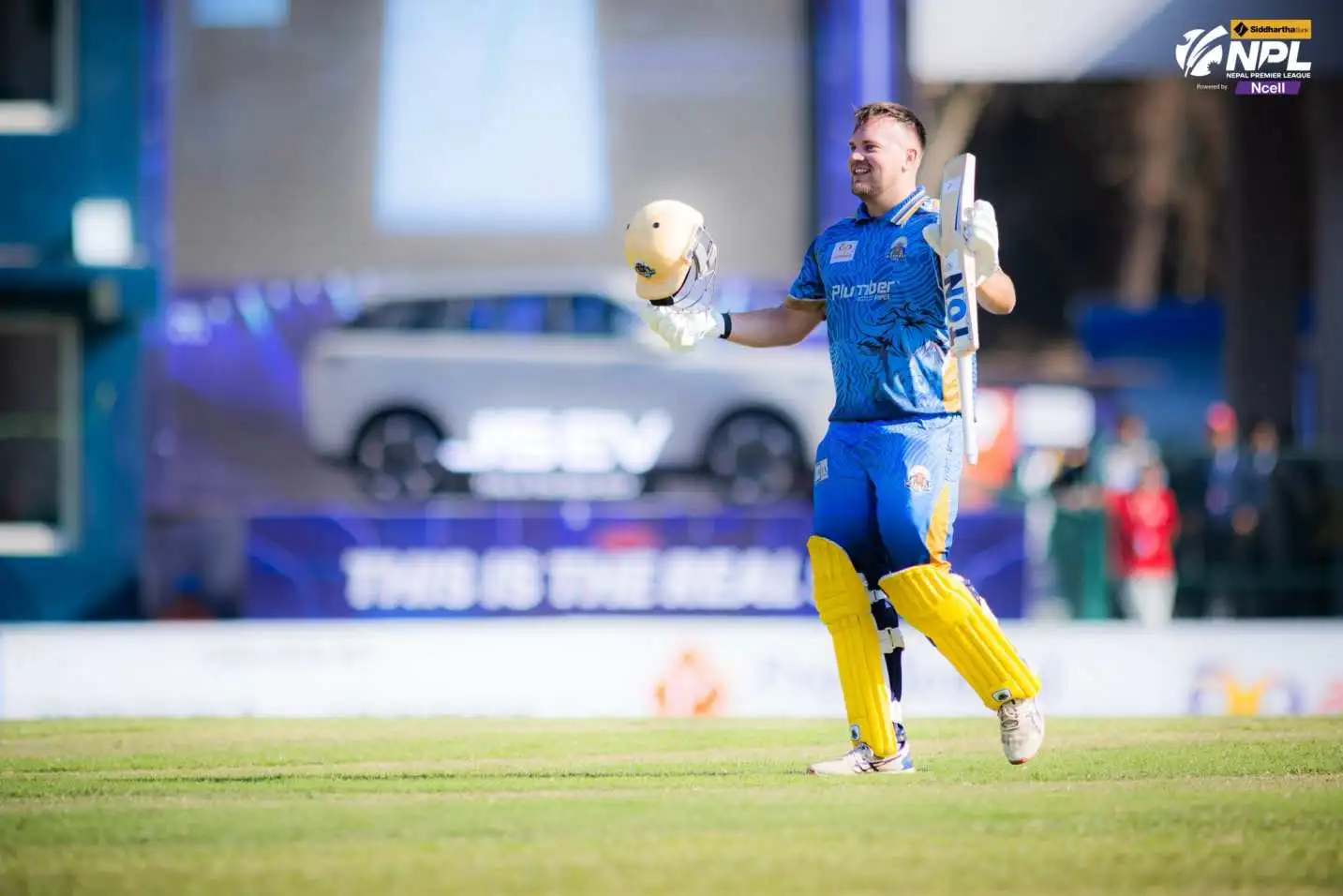
This year’s Nepal Premier League (NPL) feels bigger and better in almost every way.
The upgraded ground and stadium are genuinely impressive, and for the first time, we’re watching domestic matches under floodlights, a small but symbolic milestone for Nepali cricket.
Even more international players have joined the league, raising the level of competition and excitement.
It’s hardly surprising that tickets sell out almost instantly. Nepal’s cricket fanbase is unique, passionate to the point that it can rival that of full ICC member nations.
For once, it feels like something in the country is progressing faster than the investment going into it, and that alone is worth celebrating.
But there is one thing that feels off this season. The event has been put behind a paywall for internet streaming.
For people like me, and honestly, for most working professionals online streaming is the primary way to follow matches.
It’s not about affordability; the fees aren’t unreasonable. The issue is timing and accessibility. If the match schedule doesn’t align with work hours, paying for something you can’t fully enjoy feels like a poor trade-off.
Free broadcasts have always served as the great equalizer in sports. They help a sport reach living rooms, bus rides, local eateries, and those brief pauses in a busy workday.
Last year was a perfect example of how that works.
No matter where you went, tea shops, bus stations, restaurants, someone was watching NPL on their phone. Even at the office, Nepali cricket became the small talk.
It created this shared energy across the city, a feeling that we were all connected through one event.
This year, that buzz is missing. Tea shops are quiet, restaurants have no screens lit up with the match, and at work, not a single colleague has mentioned NPL.
It feels like the communal spirit of the game has been dimmed.
In so many countries, major sporting moments aired on free-to-air TV become cultural rituals. Families gather, friends argue over predictions, and the next morning’s conversations revolve around the same highlights. These shared experiences turn casual viewers into lifelong fans, and fans into a community.
That’s why putting NPL behind a paywall feels like a rushed decision.
Cricket in Nepal is still concentrated in a few cities and pockets of fans. To truly grow viewership and to make cricket a national habit rather than a niche interest, free access is essential. It’s a long-term versus short-term thinking dilemma.
Yes, organisers need revenue, and yes, sports events are expensive to run. But sometimes you make a deliberate sacrifice now to build a larger, more loyal audience in the future.
Once cricket has deeper cultural roots, a mixed model, free access plus paid premium options, will feel natural and sustainable.
Sponsors prefer large audiences, broadcasters value high engagement, and a thriving viewership ultimately feeds back into better investment and better cricket. In the long run, everyone wins.
Right now, though, it feels like Nepal cricket could have waited a couple more seasons before crossing that paywall.
Growing a sport isn’t just about building stadiums or signing international players, it’s about building a nation of fans who feel included, connected, and part of the story.
(Photo taken from NPL official website)