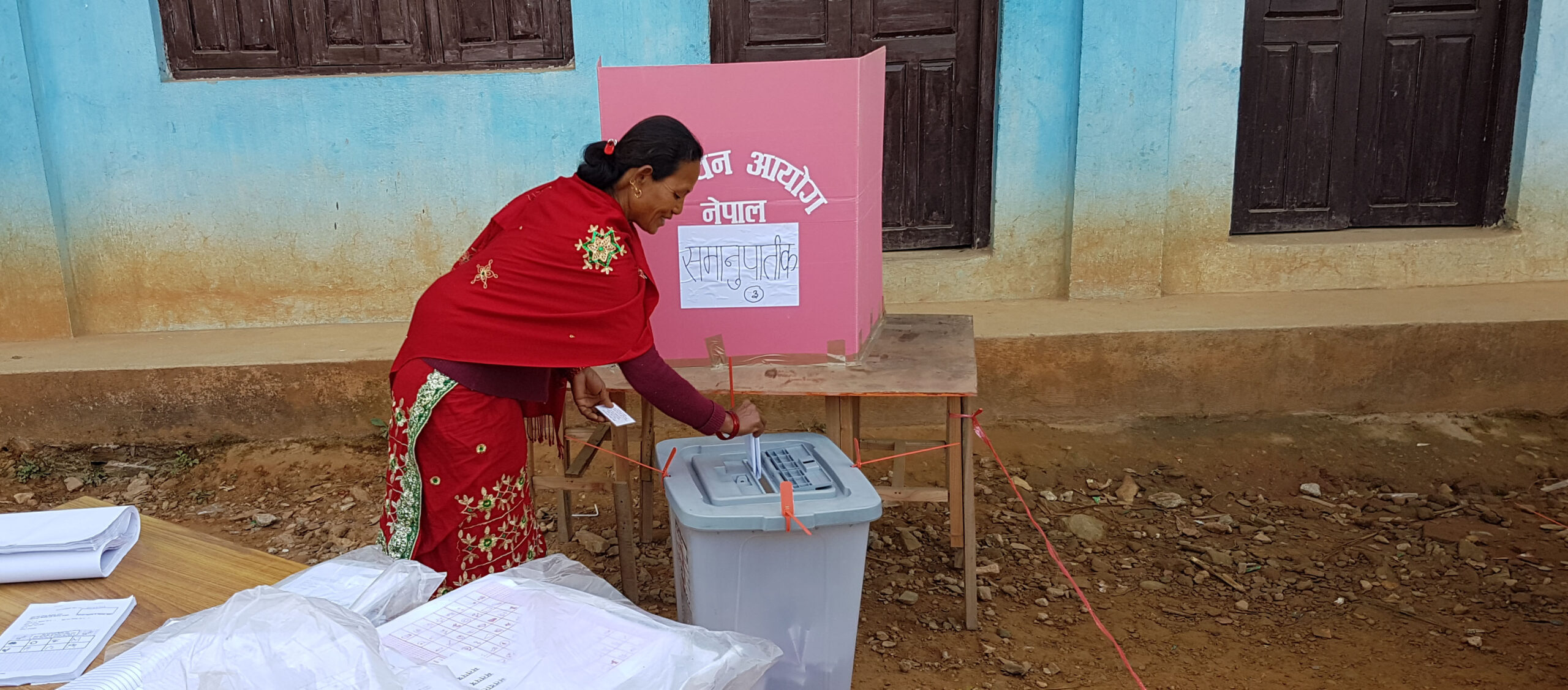
Nepal’s recent election has dramatically reshaped the country’s political landscape. Many of the long-standing figures who once dominated parliament have been replaced by a new generation of leaders.
For the first time in the history of our democracy, the legislature is likely to include more professionals, doctors, engineers, and entrepreneurs than career politicians who have known little outside politics. That alone has created a sense of optimism.
What makes this moment even more remarkable is that the desire for change came from across the country. Despite Nepal’s immense diversity in geography, culture, caste, and creed, voters appeared united in their call for something different. After years of growing dissatisfaction with established political figures, the electorate has chosen to give a new set of representatives an opportunity to shape the nation’s future. With them comes the hope of fresh ideas and new energy.
Yet an important question remains: will the deeper culture of governance actually change? Elections often replace individuals, but institutions, priorities, and political habits tend to remain the same. History repeatedly shows that when the actors change but the script stays intact, the ending rarely looks different.
Public enthusiasm for new leaders is natural. But new faces alone do not guarantee better governance. Wisdom, experience, and thoughtful decision-making are just as important as energy and ambition. Without foresight and careful planning, even well-intentioned decisions can lead a country into difficult and unintended consequences.
For new representatives to succeed, they must remain open to learning and adaptable to the complexities of governance. Authority alone is not enough. Running a country demands patience, discipline, and long-term thinking, qualities that go far beyond campaign rhetoric or the excitement of electoral victory.
Ultimately, the real question is not simply who holds power, but the values, intentions, and responsibility with which that power is exercised.
At times like this, I am reminded of an old Aesop’s fable in which oxen drove away the village butcher believing he was their enemy, only to be replaced by a new and inexperienced one who caused them greater suffering. The problem was never the butcher alone – people had not stopped eating meat.
Nepal now stands at a hopeful crossroads. With a strong mandate and a two-thirds majority, the new government has the opportunity to set a clear direction for the country. If guided by wisdom and responsibility, it could lead Nepal toward levels of economic and social progress the nation has never reached before.