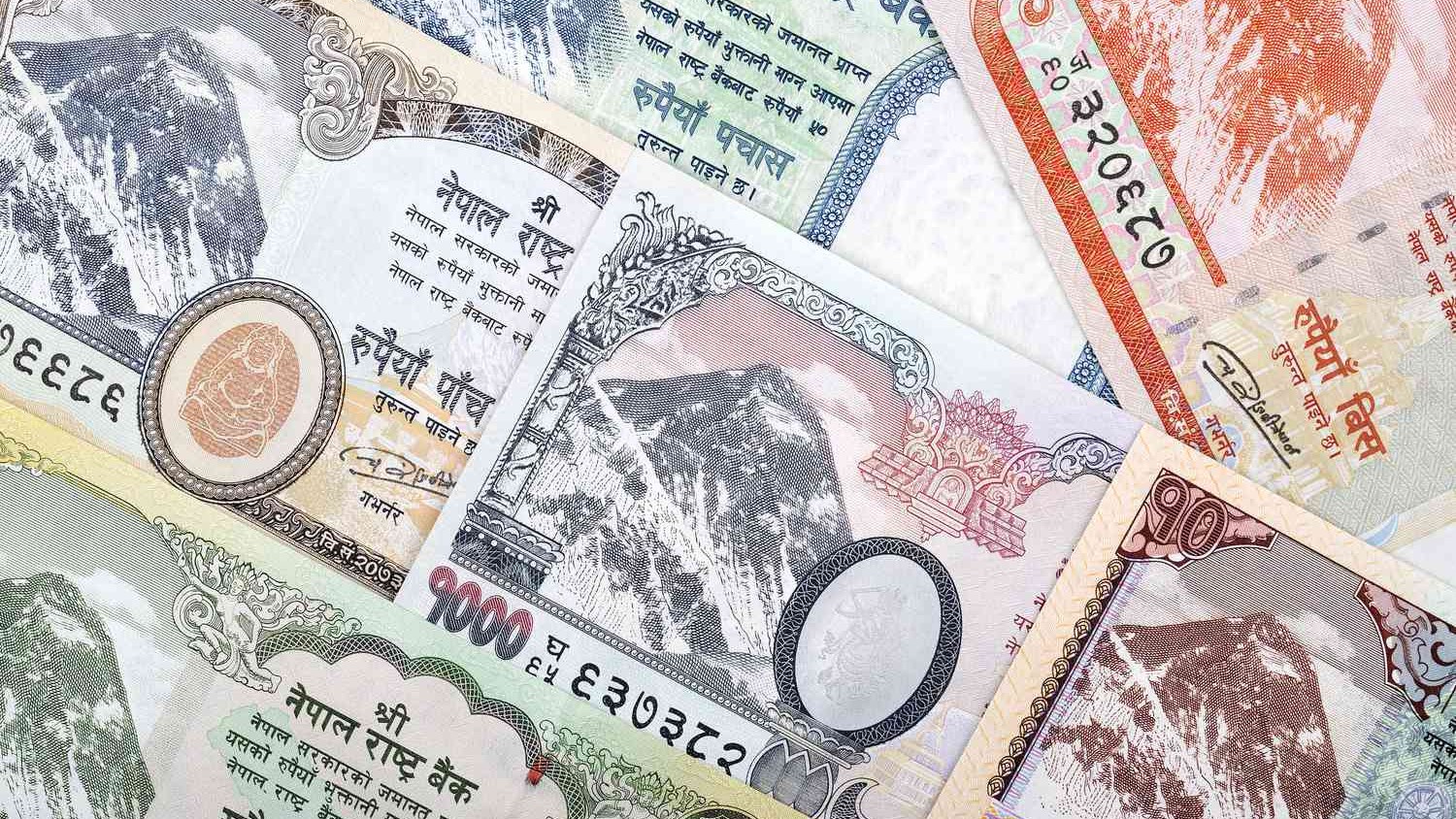
Lately, my social media feeds have been full of YouTube and LinkedIn influencers insisting that we should spend in cash instead of using digital payment methods.
Their argument is simple: paying with cash supposedly triggers a pain response in the brain, releasing certain chemicals that make us more aware of our spending. According to them, this discomfort helps reduce unnecessary expenses.
Curious about this, I gave it a try. Honestly, I didn’t feel any change at all. Whether I hand over cash or scan a QR code, the bill still needs to be paid. If something is a necessity, the mode of payment doesn’t magically change my financial discipline.
In reality, digital payment has become far more practical especially in Nepal. With reliable cellular network coverage in most parts of the country, paying digitally is quick and convenient. Even in rural areas, many merchants now prefer digital payments because handling physical cash is cumbersome. There’s always the classic issue of no change, and you often end up paying more than you should. On top of that, withdrawing cash means hunting for an ATM or visiting a bank branch, which isn’t always feasible.
Perhaps those influencer videos are targeted toward people with a high level of disposable income, people who spend on impulse and need psychological tricks to control it. I’m definitely not in that category yet.
Ironically, I’ve found the opposite strategy works for me: I control my spending by using cards. Many merchants still don’t accept card payments because of the small transaction fees involved. That means my shopping options shrink to just a handful of places. I usually visit these stores only on weekends and having that natural limitation has helped me regulate my spending far more effectively than any cash pain theory.
Sometimes, the best budgeting hack is simply reducing the number of places where you can actually spend.