The eternal dilemma: do you play strictly by the letter of the law, or do you honor the spirit of the game?
In professional sports, this exact tension becomes a massive battleground because the stakes are incredibly high where money, careers, legacies, and national pride are all on the line.
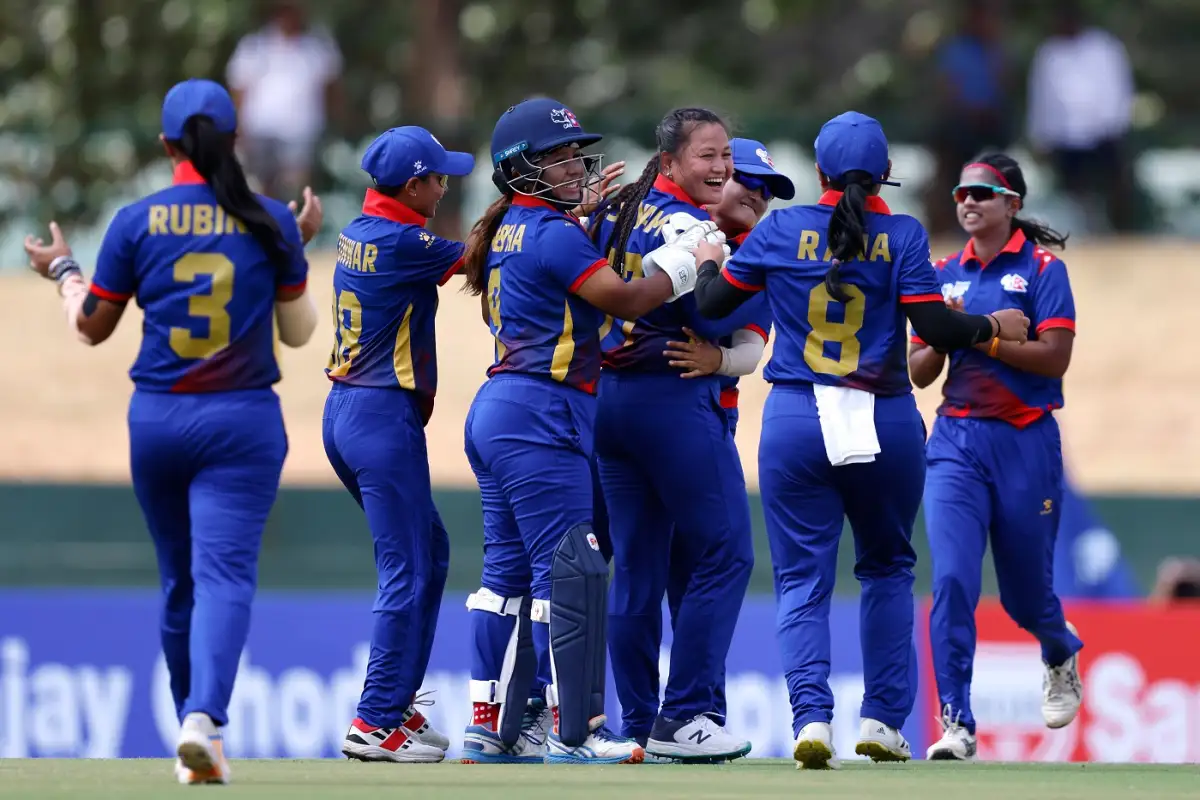
Spirit of the game debate sparked when Nepali women’s team dismissed a Bhutanese player on time out in an international cricket match. When a sports controversy hits the international stage, the internet and the media can be incredibly harsh, fast-moving, and quick to paint young athletes as villains.
Seeing the team portrayed negatively over a split-second decision in the heat of a tournament match is incredibly tough to watch, especially when you know how hard they have worked to put Nepal on the map.
Expecting professional athletes to police themselves using the “spirit of the game” is an idealistic fantasy that ignores the brutal reality of modern sports.
It is easy for fans to sit on the couch and demand “sportsmanship” because we have nothing to lose. For a professional athlete, a single moment of prioritizing etiquette over an advantage can cost a championship, a contract extension, or even their spot on the team.
In professional sports, the player’s only duty is to win within the boundaries of what the rules allow and enforce. The moral obligation to protect the “spirit” of the sport belongs entirely to the governing bodies, the rule makers, and the referees, not the competitors.
While the initial social media reaction may have been disheartening, the way the leadership handled it afterward should actually make you incredibly proud of our cricket. By doing this, CAN did exactly what a sport’s governing body is supposed to do: they took the pressure off the players.
They won that match by 51 runs because they were the better, more disciplined side on the day not because of a single clock violation.