Blog
-

Flight delays are something we’ve all come to expect in Nepal. Whether it’s unpredictable weather, crowded skies, or poor infrastructure, delays are just part of life here. An hour or two of waiting feels almost normal now, and most of us have adjusted our schedules to accommodate these inevitable disruptions.
-

Just watched Guardians of the Galaxy (2014) and it totally took me back to the days of Walkmans and mixtapes. I remember the rush of heading to the local music shop after school, hunting for the latest singles from our favorite artists, and the thrill of adding them to my newest mixtape.
-

Imagine hiking through a serene valley, surrounded by towering mountains and lush greenery. Suddenly, you come across a stunning, crystal-clear lake that seems almost out of place. This isn’t your typical lake formed by glaciers or rivers; it’s a reservoir created by a landslide damming a river. Let’s dive into this fascinating natural phenomenon!
-

Khandbari, the district headquarters of Sankhuwasabha, is a cool mix of cultural vibes and modern touches. Tucked away in the beautiful Arun Valley, this hilly town is famous for its lush scenery, traditional charm, and friendly locals.
-
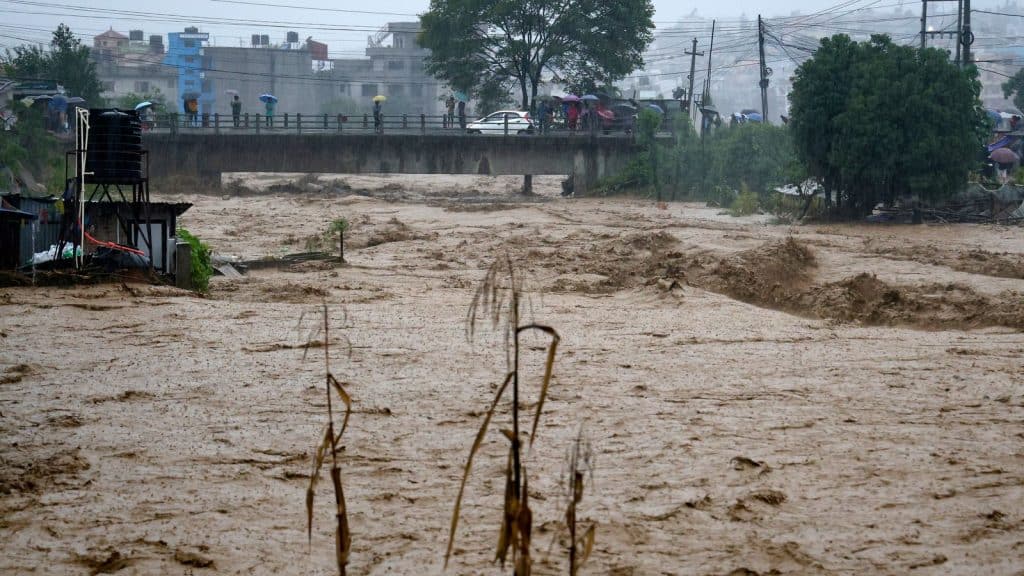
In recent years, Nepal has faced some serious floods, with the most recent one in this year causing a lot of damage and taking lives. After these events, it’s normal for people to start asking, “Why weren’t we better prepared?” or “Why didn’t we act sooner?”
-

Back in our school days, FM radio was a huge part of our lives. Having a small, battery-operated radio felt like owning something really special. We’d even make handmade cards and take them to the radio station, hoping they’d play our song requests and dedications for our friends and family.
-

The roads remain dusty, and the pavements are torn apart. The river has scarred their businesses. Yet just couple of days after the calamity, business has resumed as usual. They will paint their walls, change their carpets, and fix their cabinets later, but for now, they are focusing on the upcoming festival days.
-

For over 40 hours, the rain just didn’t stop. This city couldn’t handle it. The areas near the rivers were completely underwater. So many lives were lost, and billions of rupees worth of property just washed away. Roads were blocked, and half the city lost power.
-

Kathmandu’s roads are full of reckless users—whether it’s pedestrians, bikers, motorists, public bus drivers, school bus drivers, or truck drivers. People of all ages—men, women, old, young, or children—seem to always be in a hurry, as if getting to their destination is more important than their own safety.